
across the shifting seasonsornamental grasses transform gardens into living tapestries of texture and movement. Their graceful plumes sway gently with the breeze,capturing the eye and enriching outdoor landscapes. Yet, knowing exactly when to cut back these stately plants is key to sustaining their health and enhancing their beauty. Timing, it turns out, is an art-one that balances growth, renewaland aesthetics. In this article, we explore the optimal moments to prune ornamental grasses, guiding you to nurture a vibrant, healthyand captivating garden year-round.
Table of Contents
- Understanding the Growth Cycle of Ornamental Grasses for Optimal Cutting Timing
- Seasonal Clues: When to Trim for Maximum Health and Aesthetic Appeal
- tools and Techniques: Achieving a Clean Cut Without Harm to Your Garden
- Post-Cutting Care: Nurturing Your Ornamental Grasses for a Vibrant Future
- Q&A
- Final Thoughts

Understanding the Growth Cycle of Ornamental Grasses for Optimal Cutting Timing
No products found.
To know when is the best time to cut ornamental grasses, it helps to understand their natural growth cycle. These grasses usually grow in phases-starting with new shoots in spring, maturing through summer, then heading into dormancy in late fall or winter. Cutting during the right phase encourages healthy regrowth and keeps your garden looking tidy.
Typically, the best time to trim ornamental grasses is after they have gone dormant or at the start of new growth.This is usually in late winter or early spring before new shoots appear.Cutting too early, in active growth periods, can damage the plant. Waiting for the right moment ensures the grasses are prepared to bounce back stronger and more vibrant each season.

Seasonal Clues: When to Trim for Maximum Health and Aesthetic Appeal
No products found.
Knowing when to cut ornamental grasses is key to keeping your garden lush and attractive.Typically, the best time depends on the type of grass and the climate you live in. In many cases, late winter or early spring is ideal. This timing allows you to remove dead or damaged growth before new shoots emerge, encouraging healthy regrowth and a tidy look.
Pay attention to seasonal clues around your yard. If the grasses start to turn brown or flatten during colder months, it’s a sign to trim. Conversely, waiting too long might mean cutting into new growth, which can weaken the plants. Observing your ornamental grasses’ natural cycle helps decide the right moment for trimming, leading to vibrant, healthy plants that thrive year after year.

Tools and Techniques: Achieving a Clean Cut Without Harm to Your Garden
No products found.
When it comes to cutting ornamental grasses, having the right tools can make all the difference. Sharp, high-quality pruning shears or scissors ensure a clean cut, which promotes healthy regrowth and reduces stress on the plant. For thicker or established grasses, a sharp hedge trimmer or even a pruning saw might be necesary. Always choose tools that are easy to handleand make sure they are clean before use to prevent spreading diseases. Proper cutting tools not only make the job easier but also help keep your garden looking tidy and healthy.
Using the correct technique is just as important as having good tools. When pruning ornamental grasses, aim for a clean, angled cut just above the base of the foliage or at your desired height. Avoid tearing or crushing the stems, as this can cause damage or infection. For a natural appearance, cut back to a few inches above the ground after the growing season ends or when the grasses begin to look tired. Regular maintenance with the right techniques helps encourage lush new growth and keeps your garden vibrant and inviting.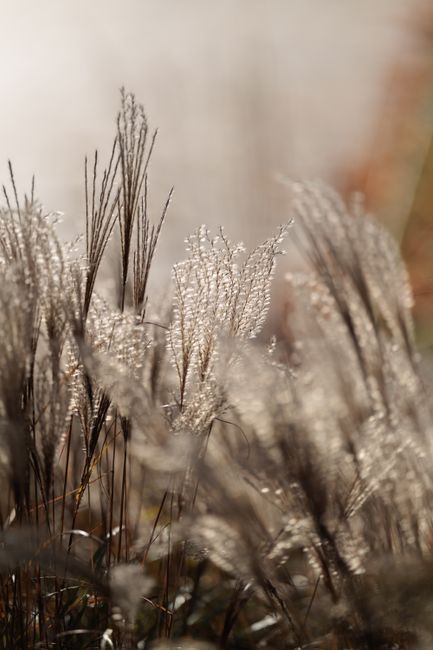
Post-Cutting Care: Nurturing Your Ornamental grasses for a Vibrant Future
No products found.
After cutting your ornamental grasses, post-cutting care is essential to keep them healthy and lush. Water them regularly but avoid overwatering, as this helps roots recover and promotes new growth. Applying a light mulch around the base can also protect the crowns from extreme weather while conserving moisture. Use gentle fertilizers during this time-look for ones with balanced nutrients to give your grasses the boost they need without overwhelming them. Proper aftercare ensures your plants will bounce back quickly and stay vibrant throughout the season.
Remember, trimming with care prevents stress and encourages dense, attractive growth. Clear away any remaining debris to reduce pests and disease risks. If you notice any brown or damaged blades, trim those back to healthy tissue to promote new, vigorous shoots. Consistent, thoughtful post-cutting care pays off by strengthening your ornamental grasses and enhancing their beauty year after year, making the timing of your cuts even more worthwhile for a thriving garden.
Q&A
Q&A: When is the Best Time to Cut ornamental Grasses for a Healthy and Beautiful Garden?
Q1: Why is timing important when cutting ornamental grasses?
A: Timing is crucial because it influences the health, appearanceand growth of the grasses. Proper timing ensures the plant retains its decorative qualities and remains resilient against pests and harsh weather.
Q2: When is the ideal time to prune ornamental grasses?
A: The best time to cut ornamental grasses is late winter to early spring, before new growth begins. This allows you to remove old, dead foliage while encouraging fresh, vigorous growth.
Q3: Can I trim ornamental grasses in the fall?
A: It’s possible, but not generally recommended. Cutting in fall may leave the plant vulnerable to winter damage and can make it more susceptible to pests. If you prefer a winter aesthetic, you can trim in late fall, but be prepared for potential exposure to cold.
Q4: Should I wait until the grasses have turned brown before cutting?
A: Yes,waiting until the blades have turned brown or dried out signals that the plant is dormant and better suited for pruning. This minimizes stress and helps the plant conserve energy for the upcoming growing season.
Q5: Are there specific ornamental grasses that require different care timings?
A: Generally, most ornamental grasses follow the late winter to early spring pruning schedule. though, some, like fountain grass, can be cut back later in spring after new growth appears. Always check the specific needs of each variety.
Q6: What tools should I use for cutting ornamental grasses?
A: Use sharp hedge trimmers or garden shears for clean cuts. For taller grasses, a pruning saw or loppers can be effective. Ensuring clean tools reduces the risk of disease transmission.
Q7: Are there benefits to leaving some ornamental grass foliage over winter?
A: Yes, in many cases, the dried seed heads and foliage add winter interest and provide habitat for birds. If you prefer a tidy look or wont to promote healthy growth, you can prune selectively or wait until early spring.
Q8: How can proper pruning contribute to the overall health of my ornamental grasses?
A: Proper pruning removes dead or damaged growth, improves air circulationand encourages strong, healthy new shoots. this results in a more vibrant, resilientand aesthetically pleasing garden feature.
Q9: Any tips for a beginner gardener on pruning ornamental grasses?
A: Start by identifying the timing-preferably late winter or early spring-and use sharp tools.Remove the old foliage close to the ground,but leave a little for winter interest if desired. Consistency and patience will help you master this gardening art.
Q10: Can I prune ornamental grasses multiple times in a year?
A: No, typically, a single annual pruning suffices. Over-pruning can stress the plant. Focus on removing old growth at the right time, then let the grass grow freely for the rest of the season.
Harness the rhythm of nature and your garden will flourish with beautiful, healthy ornamental grasses. Happy trimming!
Final Thoughts
As the seasons ebb and flow, so too should your approach to caring for ornamental grasses. Timing your cuts thoughtfully not only preserves their natural grace but also ensures a vibrant, resilient garden that captures the eye year after year.Remember, patience and observation are your greatest tools-listen to the whispers of the landscapeand let your garden flourish in harmony with nature’s rhythms. Until next time, may your pruning be preciseand your garden forever enchanting.

