
Imagine standing beneath a vast, ink-black sky, momentarily captivated by a fleeting streak of light slicing across the darkness-a meteor shower illuminating the night with celestial choreography.But when is the perfect moment to witness this cosmic spectacle and enjoy a crystal-clear view? As the universe_STAGE1continues to unfold above us,understanding the optimal timing for meteor showers can transform an ordinary night into an extraordinary encounter with the stars. In this article, we explore the best times to observe these mesmerizing celestial events and how to plan your night for a truly unforgettable sky-watching experience.
Table of Contents
- Optimal Seasons and Moon Phases for Meteor Shower Observation
- Choosing the Perfect Night: weather Patterns and Sky Clarity
- best Times and Locations for an Uninterrupted celestial Display
- Preparing to Watch: Equipment, Timingand Stargazing Tips
- Q&A
- Wrapping Up
Optimal Seasons and moon Phases for Meteor Shower Observation

- Lightweight, Classic fit, Double-needle sleeve and bottom hem

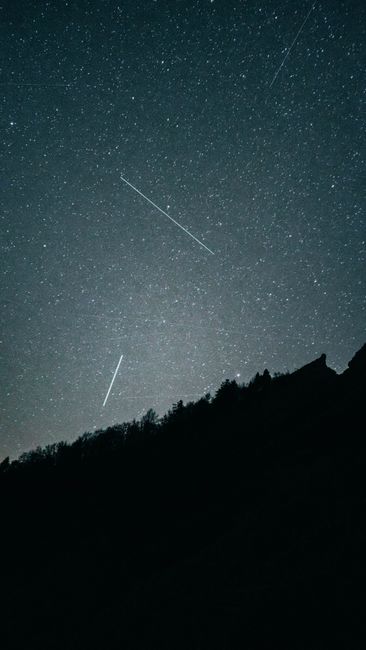
The best time to see a meteor shower is during specific seasons when the night sky is clear and dark. Usually, meteor showers peak during late summer to early winter, with notable events in August and December. These months offer longer nights,giving you more opportunity to spot shooting stars. To get the clearest view, aim for nights when the sky is free of clouds and light pollution. Check local astronomy calendars for peak dates and plan around new moon phases for the darkest skies.
Moon phases play a big role in meteor shower viewing. A full moon can wash out faint meteors, making them hard to see. Conversely, during a new moon or when the moon is just a thin crescent, the sky is much darker and perfect for watching. For optimal viewing, choose nights close to a new moon. And if you want to enhance your experience, consider using a comfortable reclining chair or blanket to relax under the starry sky. Good planning makes a huge difference in enjoying a clear, breathtaking meteor shower.
Choosing the Perfect Night: Weather Patterns and Sky Clarity

- Lightweight, Classic fit, Double-needle sleeve and bottom hem
When planning to see a meteor shower, weather conditions are critical. Clear, dark skies make all the difference in spotting shooting stars. Cloud cover or high humidity can block your view, so it’s best to choose nights with little to no cloud presence.Checking local weather forecasts can help you find nights with a high percentage of clear sky, ensuring you won’t be disappointed. also, avoid nights with moonlit skies, as radiant moonlight can wash out the faint streaks of meteors.
Understanding weather patterns in your area can give you an edge. Look for signs of stable, dry air, which usually leads to clearer skies. Often, the best viewing is during cool, calm nights with little wind, reducing atmospheric disturbances and making the stars sparkle more vividly. If you’re in the U.S., consider heading to rural or elevated spots away from city lights – these spots tend to have optimal sky clarity. Keeping an eye on local weather apps and forecasts is essential for choosing the best night to enjoy a meteor shower under a crisp, starry sky.
Best Times and Locations for an Uninterrupted Celestial display
- Lightweight, Classic fit, Double-needle sleeve and bottom hem
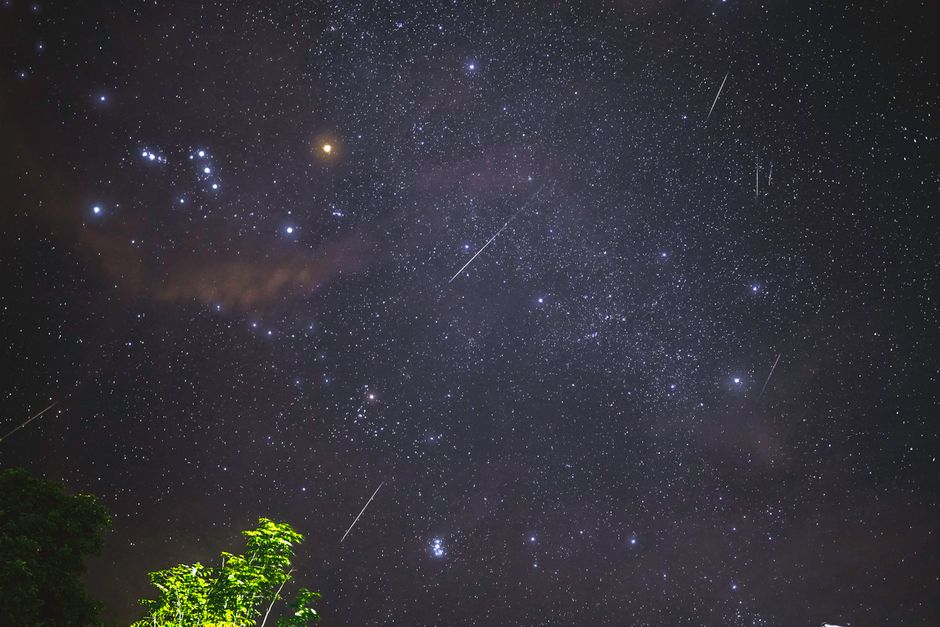
Pursuing the best time for viewing a meteor shower means considering clear, dark nights away from city lights.Typically, the peak occurs after midnight, when the sky is at its dark est and atmospheric interference is minimal. In the U.S., the best months are often during late summer and early fall, when major showers like the Perseids and Orionids are most active.Finding a spot far from light pollution, such as rural areas or national parks, helps maximize visibility and reduce cloud cover issues.
Choosing the right location is key.look for sites with unobstructed views of the sky,ideally on high ground or open fields. Some amateur astronomers recommend bringing along comfortable gear like reclining chairs and star maps. To prepare, consider using apps or tools that alert you when meteor showers are at their peak, so you don’t miss the most spectacular displays.In short,planning around a clear,dark night in a wide-open space greatly improves your chances of witnessing a breathtaking meteor shower.
Preparing to watch: Equipment, Timingand Stargazing Tips

- Lightweight, Classic fit, Double-needle sleeve and bottom hem
Getting ready to watch a meteor shower means thinking about your equipment,timing,and location.A good plan starts with choosing the right moment when the skies are clear and the moon phase isn’t too bright. Check moonrise and moonset times to avoid moonlight washing out the stars. The best time for clear views is often late at night, when Earth’s rotation positions you in the dark side of space. Arriving early gives you time to set up and get comfortable before the meteors begin to appear in full force.
Comfortable gear can make a big difference. A sturdy, lightweight blanket or portable lounge chair helps you settle in for long hours of stargazing. If you want a more immersive experience, consider a star chart or astronomy app to help you identify constellations. For better visibility, some people bring small telescopes or binoculars-though most meteor watching is best done with just your eyes. remember,the key to enjoying a meteor shower is patience and having the right supplies for a comfortable,distraction-free night under a clear sky.
Q&A
Q1: When is the best time to see a meteor shower and enjoy a clear night sky?
The ideal time to witness a meteor shower is during its peak activity, which typically occurs between late evening and dawn, often in the early hours before sunrise. The months vary depending on the specific shower, but generally, the darkest skies around midnight or in the early morning hours offer the best viewing conditions.
Q2: Why are late-night hours considered prime time for meteor showers?
Late-night hours are prime as Earth’s rotation moves the observer into the part of space where meteors originate-known as the radiant. Additionally, the atmosphere tends to be clearer and less affected by atmospheric disturbance late at night, resulting in a darker sky with minimal light pollution.
Q3: Are there specific months when major meteor showers are visible?
Yes. For example, the Perseids peak in August, frequently enough producing spectacular displays, while the Geminids reach their peak in December. Each meteor shower has its own schedule,so checking an astronomical calendar can help you plan ahead for the best viewing times.
Q4: How do moon phases influence the best viewing times for meteor showers?
A dark, new moon or a moon with minimal brightness significantly enhances meteor visibility by reducing skyglow. Bright moonlight can drown out faint meteors, making it harder to see the display. Planning around a new moon or nights with minimal moonlight can ensure a clearer, more dazzling experience.
Q5: What environmental conditions should I look for to enjoy a clear meteor shower night?
Look for nights with clear skies and low atmospheric humidity to minimize haze and clouds. Avoid nights with heavy light pollution from urban areasand check weather forecasts to ensure minimal cloud cover.Fresh, high-altitudeand dry environments generally provide optimal viewing conditions.
Q6: Can I see a meteor shower from my backyard,or do I need special equipment?
Most meteor showers are best appreciated with the naked eye,as meteors tend to be bright and fast-moving. No special equipment is needed-just find a dark spot away from city lights, lie back comfortablyand give your eyes time to adjust to the darkness.
Q7: Are there any tips to enhance the viewing experience?
Yes. arrive early and give your eyes about 20 minutes to adapt to darkness. Bring a reclining chair or blanket for comfort, dress appropriately for the weatherand avoid looking at bright screens. Be patient-sometimes the best meteors appear unexpectedlyand a still, quiet night amplifies the sense of wonder.
Q8: Is it worth traveling to a remote location for better meteor shower viewing?
Absolutely. Traveling to areas with minimal light pollution-like rural countryside, mountain regionsor designated dark sky parks-can dramatically improve your viewing experience. The darker the sky, the more mesmerizing the shower becomes, revealing fainter meteors not visible in urban environments.
Q9: How long does a typical meteor shower lastand when should I start watching?
While the peak may only last for a few hours, meteor showers can be visible for days or even weeks, gradually intensifying around the peak. For the best chance, start watching late in the evening and continue into the pre-dawn hours, especially on the predicted peak night.
Q10: What’s the bottom line for maximizing your meteor shower experience?
Plan ahead by checking the forecast for moon phases and weather conditions, choose a dark, comfortable spot away from light pollutionand be patient. With a little preparation, each meteor shower can be a breathtaking display of celestial fireworks.
wrapping up
As the night unfurls its velvet tapestryand the stars quietly prepare their cosmic dance, timing becomes the key to witnessing nature’s most dazzling spectacle. Whether you choose the quietude of a new moon night or aim for the peak of a meteor shower, patience and preparation will reward you with fleeting streaks of light that remind us of the universe’s boundless wonder. So, plan ahead, find your darkest cornerand let the celestial show unfold-an ephemeral reminder of the universe’s endless beauty, waiting just for you.

